Final Discussions for Field Training Students Conclude at Yarmouk University’s Travel and Tourism Department
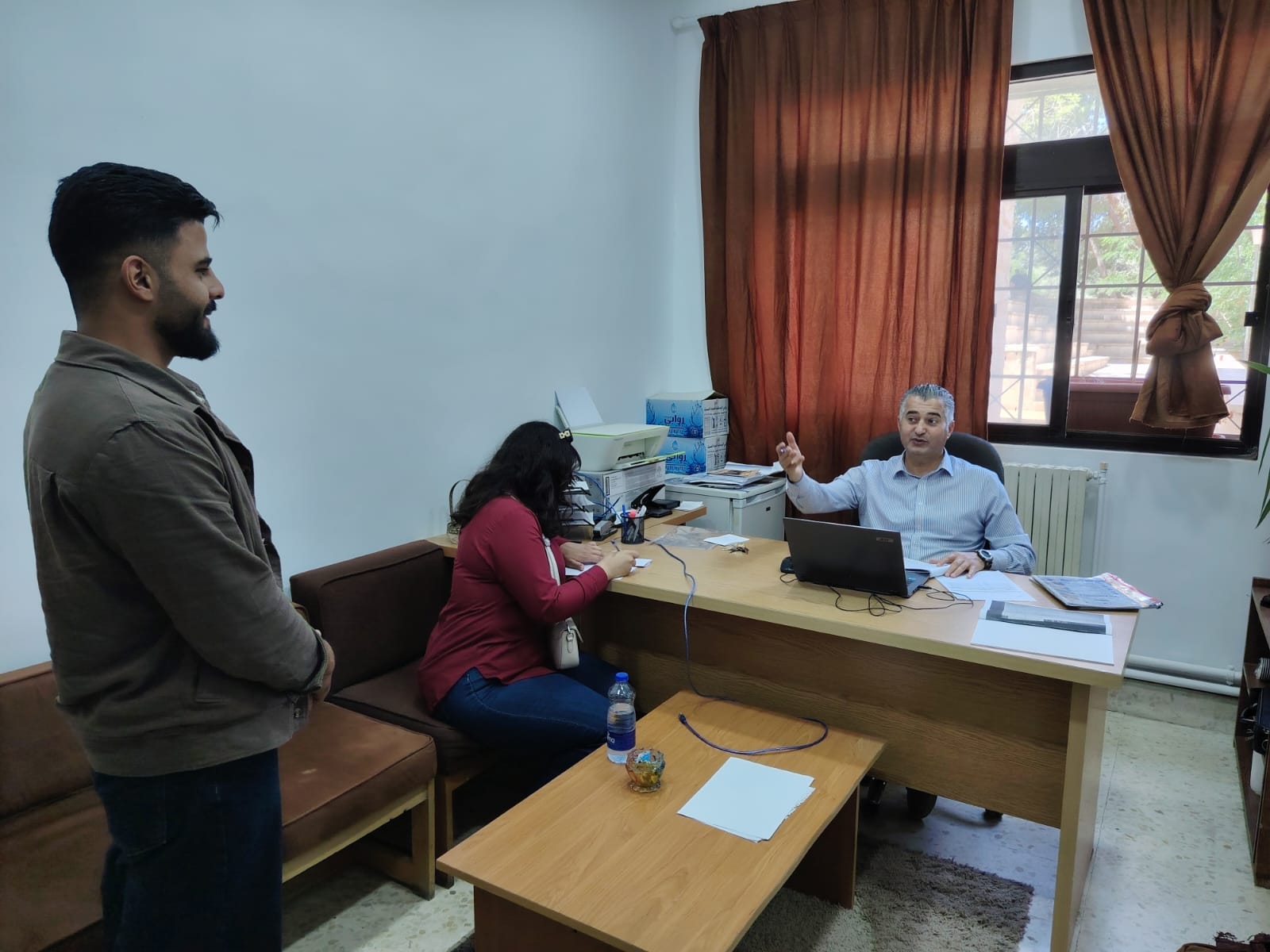
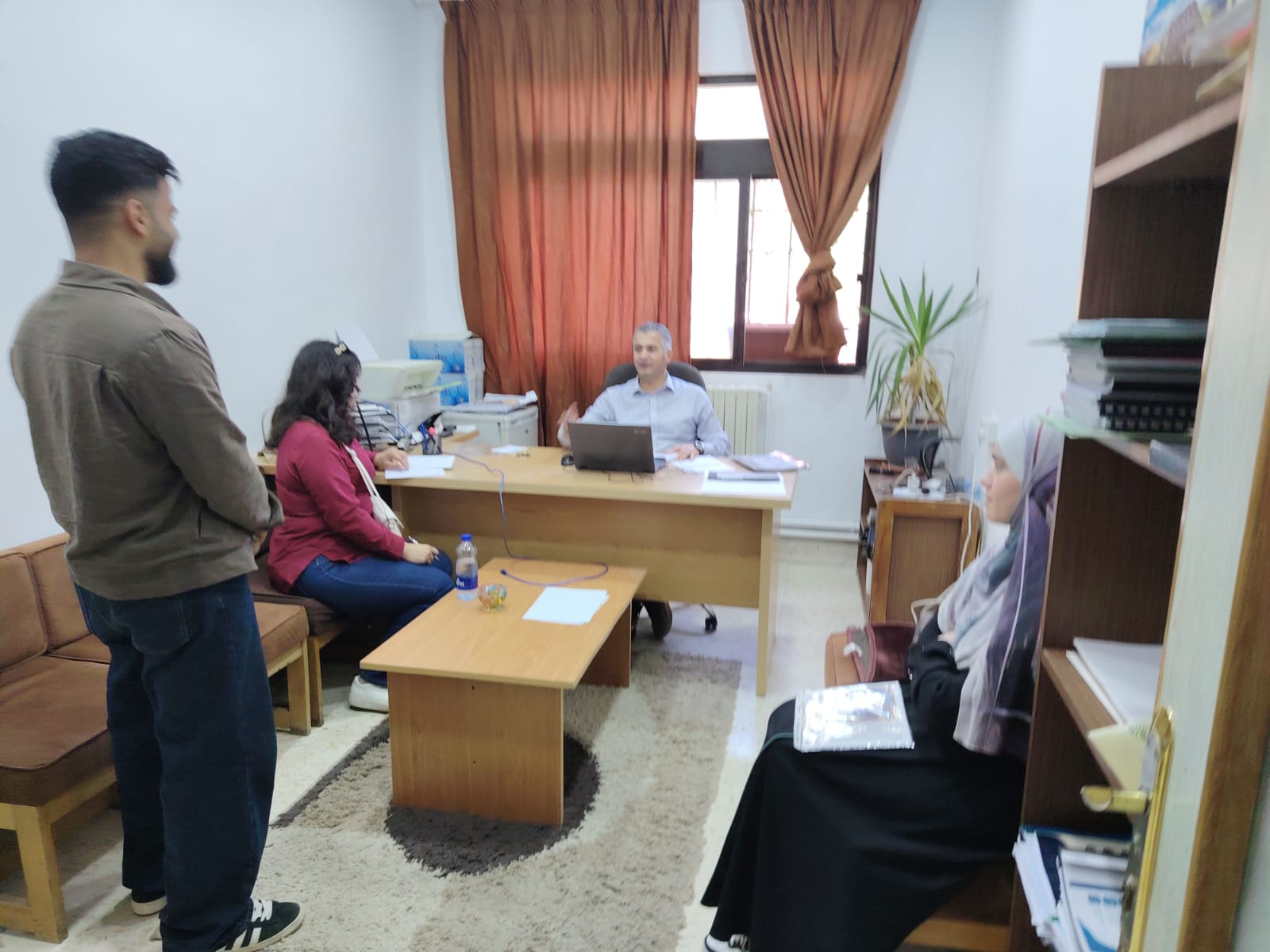
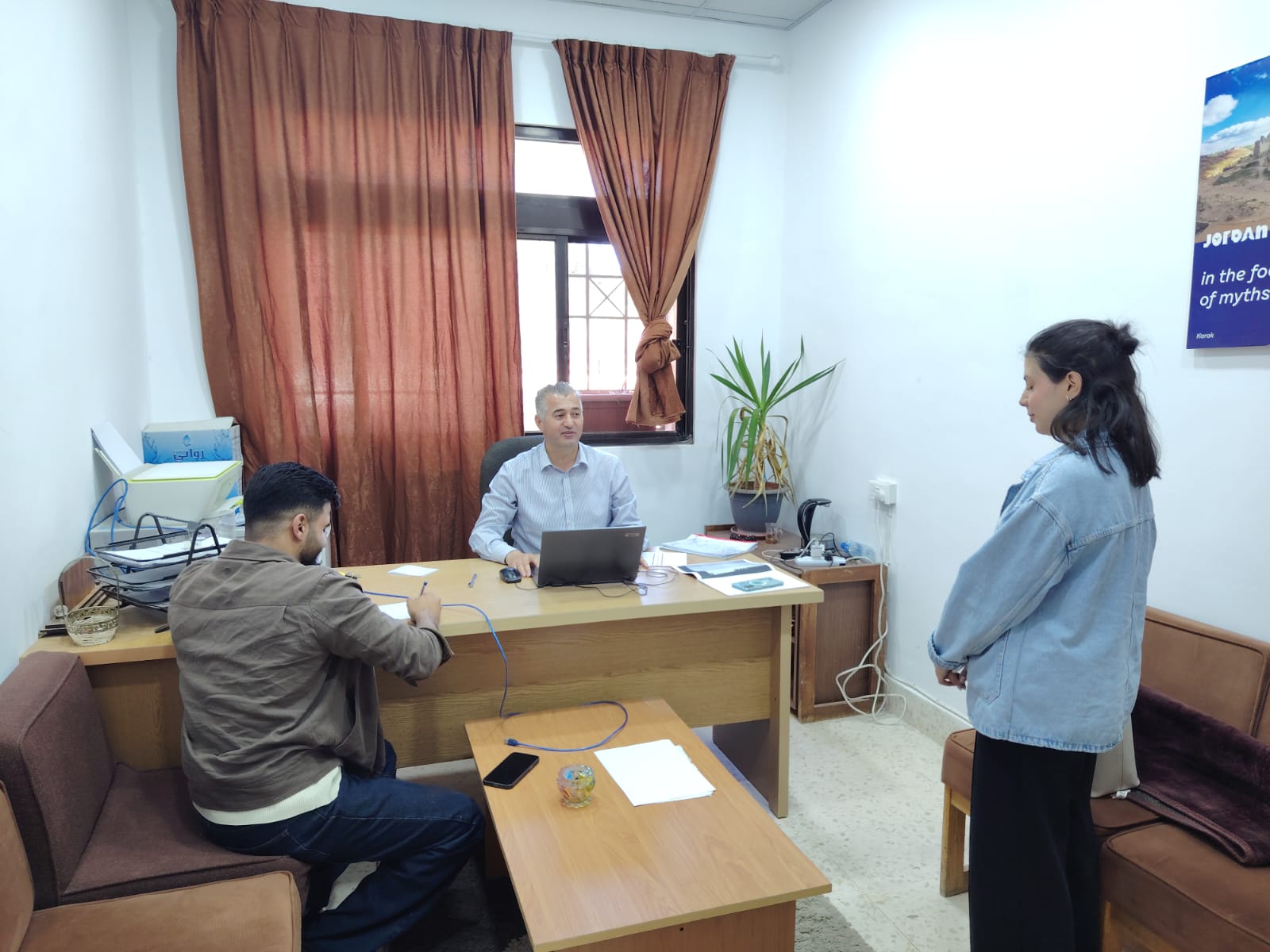
The Department of Travel and Tourism at the Faculty of Tourism and Hotels has concluded the final discussions for field training students, following nearly four months of practical training in travel and tourism agencies, electronic reservation systems, and various tourism establishments.
The discussions, which continued for approximately ten days, aimed primarily to assess the academic and practical skills and knowledge students had acquired during their training period. They also sought to evaluate the extent to which students benefited from real workplace environments and their ability to connect the theoretical knowledge gained during their university studies with practical applications in the travel and tourism sector.
During the discussions, students presented their field training experiences across different training sites. The committee listened to their reflections on the nature of the tasks they performed, the challenges they encountered, and the development of their professional and personal skills throughout the training period. Particular attention was given to evaluating the applied skills students gained in the operations of travel and tourism agencies, including inbound tourism, outbound tourism, domestic tourism, Hajj and Umrah programmes, and the “Urduna Jannah” programme.
The discussions also assessed students’ proficiency in electronic reservation skills through systems commonly used in the travel and tourism sector, including Amadeus, Sabre, and Galileo. In addition, the committee evaluated the skills students developed through direct interaction with tourists in different tourism establishments, particularly in communication, customer service, problem solving, and professional conduct in real work settings.
The department emphasized that these final discussions form an essential part of the field training evaluation process. They are not limited to reviewing students’ training experiences; rather, they aim to measure students’ professional readiness and the extent to which they possess the skills required entering the tourism labor market after graduation. The discussions also reflect the department’s commitment to strengthening the practical dimension of the educational process and developing learning outcomes in line with the needs of the travel and tourism sector.
It is worth noting that the committee supervising the field training of Travel and Tourism students consists of Dr. Mohammad Abuhjeeleh and Field Training Supervisor Mr. Mohammad Jba’ateh.